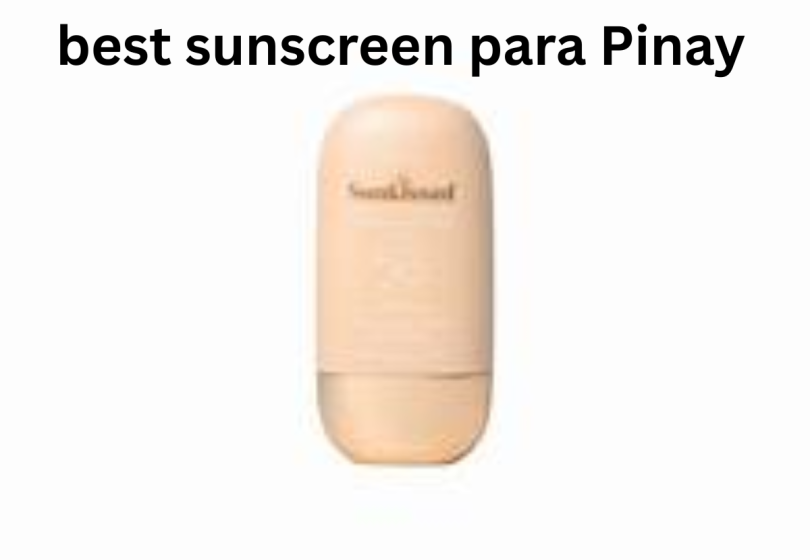

Let’s be honest—living in the Philippines means we face strong sunlight almost every day. Whether you’re commuting, running errands, or working near a window, your skin is constantly exposed to UV rays. That’s why finding the best sunscreen para Pinay is essential.
But with so many brands and types available, it can be confusing to choose the right one. Should you go for a tinted sunscreen, a Japanese one, a Korean formula, or a local favorite? Don’t worry. This guide will help you understand everything you need to know to protect your skin while keeping that natural Filipina glow.
Why Every Pinay Needs Sunscreen
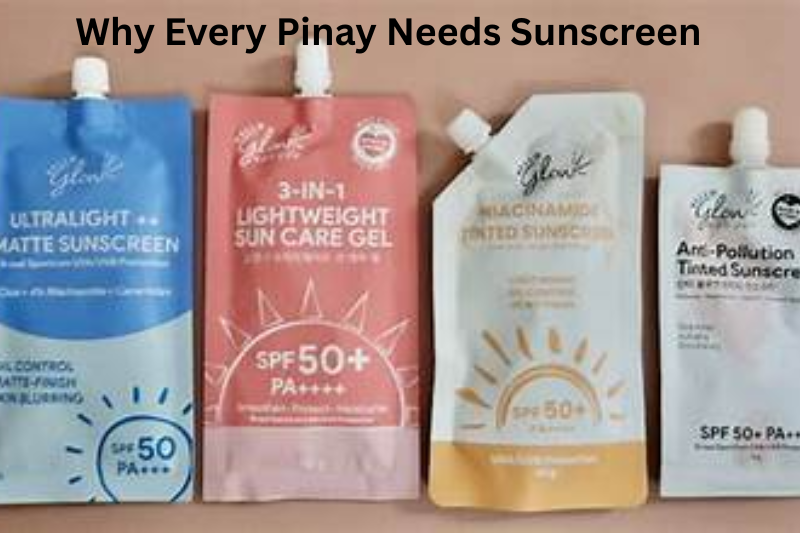
Many Filipinas still think sunscreen is only for beach trips or outdoor activities, but that’s a myth. Sunscreen should be part of your daily skincare routine, rain or shine. Here’s why:
1. Prevents Dark Spots and Hyperpigmentation
Dark spots and uneven skin tone are common skin concerns among Pinays. Sunscreen prevents existing marks from getting darker and protects your skin from further pigmentation.
2. Slows Down Premature Aging
UV rays damage collagen, which causes fine lines and wrinkles. Daily use of sunscreen helps maintain firm and youthful-looking skin.
3. Protects Against Skin Cancer
Beyond cosmetic reasons, sunscreen protects you from harmful UV rays that may lead to skin cancer over time.
4. Maintains Your Natural Glow
Whether you have morena, mestiza, or chinita skin, sunscreen helps maintain your healthy, radiant complexion by preventing dullness and damage.
What to Look for in the Best Sunscreen para Pinay
When choosing a sunscreen, consider the Philippine climate and your skin type. Here are some key things to look for:
- Broad-Spectrum Protection – Ensures protection from both UVA (aging) and UVB (burning) rays.
- SPF 30 or Higher – For everyday use, SPF 30 is the minimum. SPF 50+ is best for extended outdoor exposure.
- PA Rating (PA+, PA++, etc.) – The more “+” symbols, the stronger the protection against UVA rays.
- Lightweight and Non-Sticky Formula – The humid weather calls for a formula that won’t feel greasy.
- No White Cast – Especially important for morena or medium skin tones.
- Finish That Matches Your Skin Type – Matte for oily skin, hydrating for dry skin.
- Dermatologist-Tested or Fragrance-Free – Best for sensitive skin.
Best Sunscreens para Pinay (2025 Recommendations)
Below are some of the best sunscreens loved by Filipinas. Each one includes its benefits and possible drawbacks to help you decide which suits you best.
1. Belo SunExpert Tinted Sunscreen (SPF 50 PA+++)
Why It’s Popular:
A Filipino-made product that provides sun protection with a light tint, giving you that fresh, natural look.
Benefits:
- Lightweight and easy to blend.
- Evens out skin tone and provides light coverage.
- Non-sticky and suitable for daily use.
Drawbacks:
- Limited shade range that may not fit deeper morena tones.
- May appear slightly dewy for very oily skin.
2. Biore UV Aqua Rich Watery Essence (SPF 50+ PA++++)
Why It’s Popular:
A Japanese favorite that feels like water on the skin, perfect for humid Philippine weather.
Benefits:
- Lightweight and easily absorbed.
- Ideal for oily or combination skin.
- No white cast and leaves a smooth finish.
Drawbacks:
- Contains fragrance, which might not suit sensitive skin.
- Needs reapplication after sweating.
3. Anessa Perfect UV Sunscreen Milk (SPF 50+ PA++++)
Why It’s Popular:
Known for its powerful and long-lasting sun protection. Great for outdoor activities and beach days.
Benefits:
- Water-resistant and sweat-proof.
- Smooth, non-greasy texture.
- Provides excellent protection even in extreme sun exposure.
Drawbacks:
- Expensive compared to other brands.
- Can feel slightly heavy on very oily skin.
4. COSRX Aloe Soothing Sun Cream (SPF 50+ PA+++)
Why It’s Popular:
A gentle Korean sunscreen infused with aloe vera, perfect for sensitive or acne-prone skin.
Benefits:
- Soothes and hydrates the skin.
- Acts as both moisturizer and sunscreen.
- Gentle formula that reduces irritation.
Drawbacks:
- Slightly thick consistency under makeup.
- Not ideal for very oily skin types.
5. QuickFX Sunscreen SPF 50 PA+++
Why It’s Popular:
Affordable, locally available, and effective for daily use.
Benefits:
- Budget-friendly and easy to find.
- Lightweight and non-greasy.
- Suitable for students and everyday commuters.
Drawbacks:
- Comes in a small sachet or tube, so you need to repurchase often.
- May not have the same luxurious texture as premium brands.
Benefits of Using Sunscreen
Using sunscreen daily provides long-term protection and visible improvements to your skin. Some of the major benefits include:
- Prevents sunburn and irritation.
- Reduces acne marks and pigmentation.
- Keeps the skin smooth and youthful.
- Protects against pollution and environmental stress.
- Helps maintain an even and radiant complexion.
You may also like to read these posts:
Pampaputi at Glowing Skin: Your Complete Guide to Radiant Beauty
Homemade Facial Mask Pinoy: The Natural Way to Glowing Skin
Tamang Skincare Routine Gabi: Kumpletong Gabay Para sa Healthy, Glowing Skin
Drawbacks or Common Concerns

While sunscreen is essential, it can come with some minor inconveniences. Understanding these helps you choose the right product.
- Greasy Feel: Choose gel or water-based sunscreens for a lighter texture.
- Breakouts: Look for “non-comedogenic” formulas that won’t clog pores.
- White Cast: Use tinted or transparent sunscreens, especially for morena skin.
- Frequent Reapplication: Sunscreen should be reapplied every two hours for full protection.
How to Apply Sunscreen Properly
To make sure you’re getting the best protection, follow these simple steps:
- Apply sunscreen 15–20 minutes before going out.
- Use enough product — about two fingers’ length for your face and neck.
- Reapply every 2 hours, especially if you sweat or swim.
- Don’t forget your ears, neck, and the back of your hands.
- Make sunscreen the last step in your skincare routine before makeup.
Final Thoughts: The Best Sunscreen para Pinay is the One You’ll Actually Use
At the end of the day, the best sunscreen para Pinay isn’t just about the brand or price. It’s about consistency and how well it suits your skin type and lifestyle.
Whether you prefer a tinted, matte, or hydrating formula, the most important thing is to wear it every single day. Consistent sunscreen use helps maintain your natural glow, prevents early aging, and protects your skin’s long-term health.
Protect your skin today so it stays healthy, smooth, and beautiful for years to come.
FAQs
1. Do Pinays really need to wear sunscreen every day?
Yes. Even if you’re staying indoors, UV rays can still reach you through windows and screens. The Philippines has high UV levels year-round, so daily sunscreen use is essential for protecting your skin from sun damage, dark spots, and premature aging.
2. What SPF is best for daily use?
For everyday use, choose at least SPF 30. If you’ll be spending a lot of time outdoors or under direct sunlight, go for SPF 50+. The higher the SPF, the better the protection from UVB rays that cause sunburn.
3. How much sunscreen should I apply?
Use the two-finger rule — squeeze enough sunscreen along the length of your index and middle fingers for your face and neck. Don’t forget other exposed areas like your ears, neck, and hands.
4. How often should I reapply sunscreen?
Reapply every two hours, or more often if you’re sweating, swimming, or wiping your face. Sunscreen wears off over time, so reapplication ensures continuous protection.
5. Can I skip sunscreen if my makeup already has SPF?
Makeup with SPF offers some protection, but not enough for full coverage. You’d need to apply a thick layer of foundation to get the labeled SPF — which isn’t realistic. Always apply sunscreen first, then makeup on top.